
The Cost Beyond the Soldiers
Black Hawk DownThis flow follows the effects of the battle on Somali civilians, medical workers, homes, and burial practices.
increasing Bearing strength in each event
 decreasing
Bearing strength in each eventdecreasingFamilies in the Strike Zone
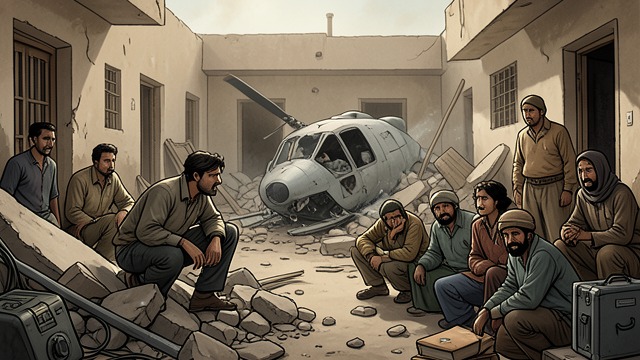
Homes Become Exposed
A Crash in a Courtyard
Super 61 struck Abdiaziz Ali Aden's home, trapping family members beneath a fallen roof. They escaped injury, but the crash destroyed part of the house.
Civilian Vulnerability
The helicopter fell into lived-in streets rather than an empty battlefield. Residents had little control over where aircraft, gunfire, and armed groups moved.
The Wounded Cannot Travel
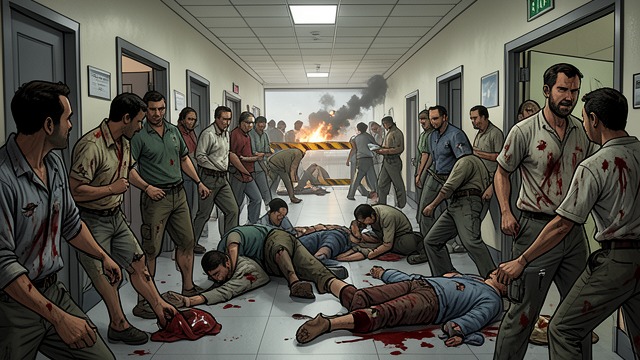
Hospitals Under Pressure
Blocked Streets
Gunfire and barricades prevented many wounded Somalis from reaching medical facilities. Helicopters also made movement dangerous in areas where people sought help.
Growing Caseload
As night progressed, hospitals filled with patients suffering severe injuries. The battle's civilian medical burden expanded even while the American rescue effort remained focused on its own trapped forces.
Burying the Dead
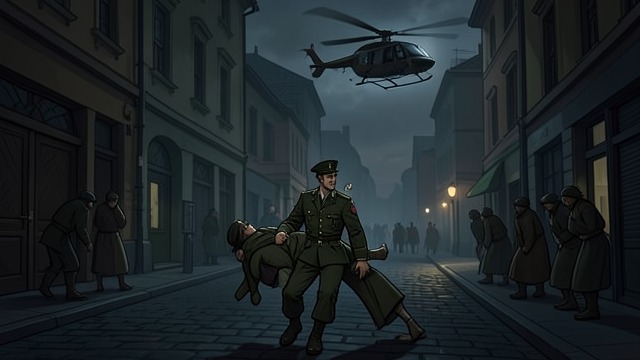
Ritual Under Fire
A Religious Obligation
Kassim Sheik Mohamoud carried two employees toward the cemetery because they needed burial before sundown. Helicopters forced the group to abandon the bodies and hide more than once.
Return After Midnight
Kassim went back at 3 a.m. to complete the burial. The scene shows how the dead and their families remained part of the battle's consequences after the immediate fighting moved on.
October 3, 1993, afternoon
October 3, 1993, evening
October 3–4, 1993, dusk and night
